Dog Mouth Shape Font Review
There’s something oddly satisfying about choosing the right font for a project. It’s not just about aesthetics—it’s about mood, clarity, and how it speaks to the reader before they even start reading. When I was redesigning a lifestyle blog header, I found myself drawn to Dog Mouth Shape, a dingbats font that felt both playful and purposeful. It wasn’t just another typeface; it had a personality that fit the tone of the site perfectly.
The Visual Character of Dog Mouth Shape
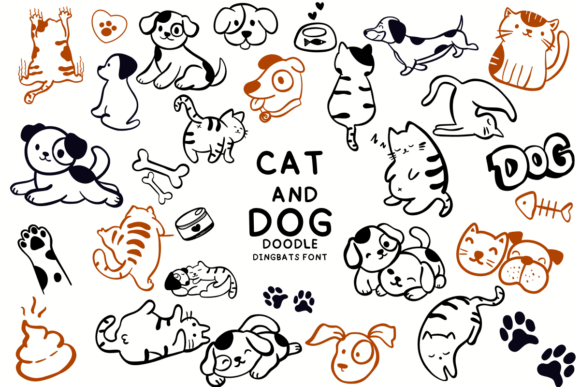
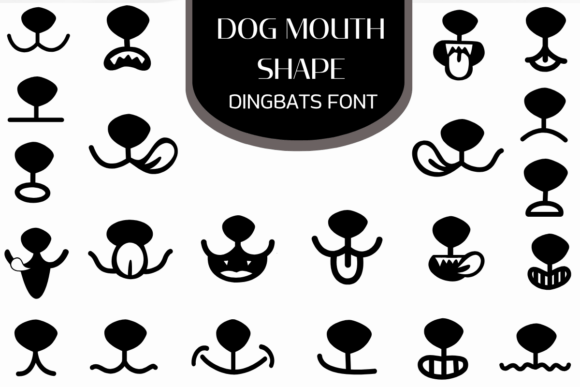
Dog Mouth Shape is a unique dingbats font that leans into whimsy without being over-the-top. Its design features rounded edges and soft curves, giving it a friendly, approachable feel. The shapes are reminiscent of a dog’s mouth in various expressions—playful, curious, or content. This visual rhythm makes it ideal for projects that want to convey warmth and lightheartedness.
While it’s not a traditional serif or sans serif font, its structure still maintains a sense of balance. The spacing between characters is generous, which helps with readability even when used in larger sizes. It’s not meant for long paragraphs, but as a display font, it adds a distinctive touch to any layout.
Real-World Use Cases for Dog Mouth Shape
I tested Dog Mouth Shape in several editorial contexts. For a recipe ebook, it worked well as a title font, adding a fun, inviting tone that matched the casual cooking vibe. In a wedding guide, it served as a decorative element for section headings, offering a subtle contrast to more traditional fonts.
As a newsletter graphic, it brought a sense of personality to the header, making the publication feel more like a personal letter than a generic email. In a printable planner, it added a touch of charm to daily prompts and motivational quotes, enhancing the user experience without overwhelming the page.
Readability and Audience Engagement
When used in titles, headers, or pull quotes, Dog Mouth Shape supports visual hierarchy and draws attention naturally. Its expressive character helps create a strong editorial mood, which can be especially useful for content that aims to connect emotionally with readers.
However, it’s important to note that this font isn’t designed for body copy. Its stylized forms can become distracting in dense text, especially on small screens or in print. For longer reading, it’s best paired with a more readable font, such as a serif or sans serif typeface.
For digital publications, it’s crucial to test how the font renders on different devices. While it looks great on high-resolution displays, it may lose some detail on lower-quality screens. PDF exports also benefit from careful consideration—ensuring that the font is embedded properly to maintain its intended appearance.
Pairing Dog Mouth Shape with Other Fonts
One of the strengths of Dog Mouth Shape is its versatility in font pairing. When used alongside a clean, modern sans serif, it creates a balanced look that’s both stylish and functional. For example, pairing it with a simple serif font like Georgia or Times New Roman can add depth to a magazine layout while maintaining readability.
In a coaching workbook, using Dog Mouth Shape for chapter openers and pairing it with a minimalist sans serif for body text offers a clear structure without sacrificing visual interest. Similarly, in a digital magazine, it can serve as a highlight for headlines, while a more neutral font handles the bulk of the content.
Practical Considerations for Designers
Before incorporating Dog Mouth Shape into a project, it’s wise to check the font’s available styles, alternates, and ligatures. These features can greatly affect how the font performs in different layouts. Additionally, verifying multilingual support is essential if the content will be used in multiple languages.
Font licensing is another key factor. Depending on the intended use—whether it’s for an ebook, a printable, or a client project—the license must cover all necessary applications. Ensuring compliance with commercial font licensing prevents potential legal issues down the line.
For designers working on brand identity projects, Dog Mouth Shape can be a valuable asset. Its distinct character can help establish a unique voice, especially for brands targeting a younger or more creative audience. However, it should be used thoughtfully to maintain consistency across all design elements.